Last night I finished my first reread of Harper Lee’s masterpiece To Kill a Mockingbird in the last 30 or so years. I read it several times back in high school in the early 1980s, but as my personal library grew, I stopped rereading the first novels I owned.
I teared up several times during this rereading of Mockingbird. It wasn’t so much the excellent story. Like I said, I’ve read it many times and there were no surprises. But this book was so influential on me in my early teens. Yes, it taught me a lot about racism and injustice, but that’s the obvious lesson.
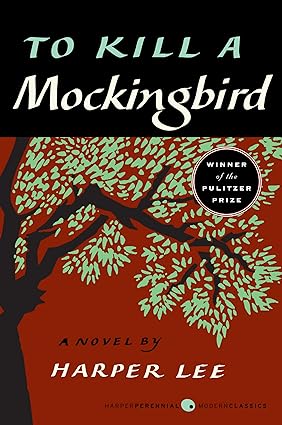
Scout Finch is such a relatable character and the town of Macomb reminded me of the street I grew up on. There was a house like the Radley house, except it was vacant. It was the late 1970s when I first read the book and back then, neighbors each other. When Scout stands on the Radley porch and looks up and down her street, I could understand how she felt because I knew all my neighbors, knew quirks and secrets about the families.
Reverend Sykes saying, “Jean Louise, stand up. Your father’s passin’,” was always one of the most powerful lines to me. Atticus knew he couldn’t win, but he fought anyway and won the respect of people who could have hated him for being white or for not winning. I remember Sykes in his church when Calpurnia took Scout and Jem and how he didn’t scream and shout about Hell like the preachers I was used to, and how he closed the church and sweated money out of his people to help Tom’s wife.
This is a long, rambling post to say that rereading this wonderful novel took me back to my youth, to a time when the whole world and my entire life stretched out before me. Now, at the age of 58, divorced, living alone, struggling from one paycheck to the next, overweight, and depressed, rereading this book made me feel like all the promise that stretched out before me on my first reading is gone.
That is what brought tears to my eyes so many times during this reading.
Life lumbers ever onward and all our dreams are toys left broken in its wake.

 Steven E. Wedel
Leave a comment