There’s a certain pressure in fiction to make your protagonist likable. Relatable. Sympathetic. You’re supposed to give readers someone they want to root for—someone they’d grab a beer with or follow into battle.
But sometimes, the story demands someone worse.
Someone angry. Someone broken. Someone who’s said and done things you can’t defend.
Someone like Enoch Hoffmann.
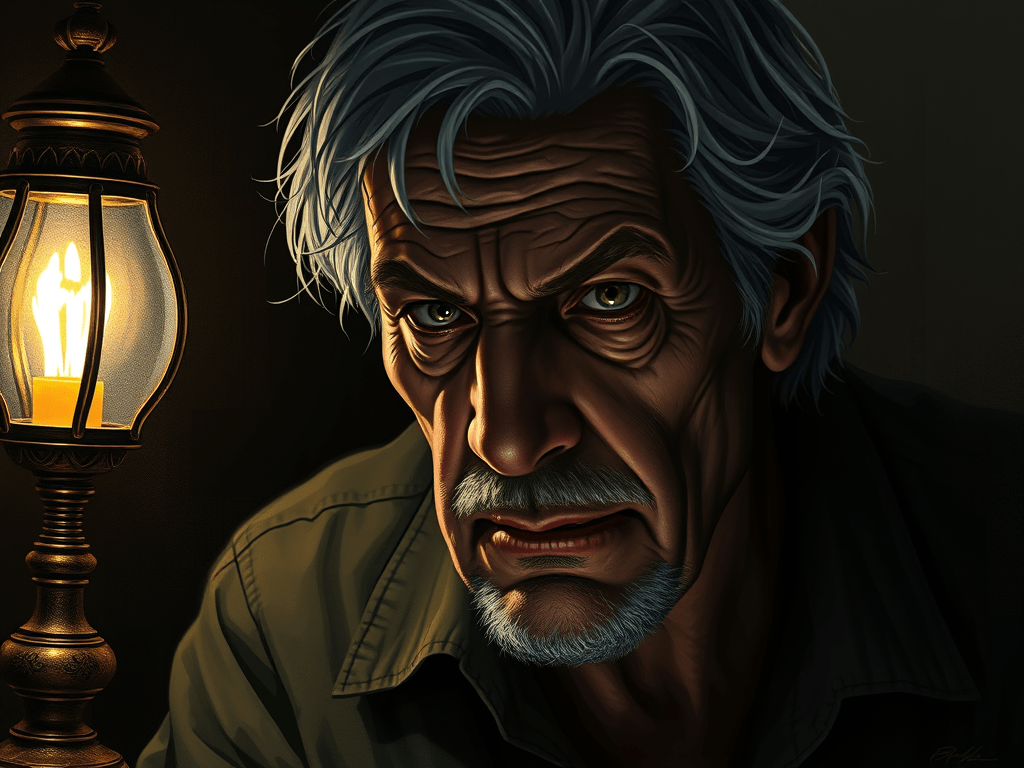
When I started writing The Dead of the Day, I knew I wasn’t creating a hero. Enoch is a racist, bitter old man with a violent past and a crumbling mind. He’s the kind of person many of us would cross the street to avoid—or want to confront. And yet, he’s also a man terrified of damnation. He believes he’s out of time to be saved, and that fear is eating him alive.
That’s what made him interesting.
Because likability isn’t the same as complexity.
As a reader, I don’t always want to follow a good person. I want to follow a compelling one. Someone who challenges me. Someone whose actions make me uncomfortable, but whose story keeps pulling me forward. Think Humbert Humbert in Lolita. Amy in Gone Girl. Thomas Covenant. Joe Goldberg. Even Jack Torrance. These are people we probably wouldn’t invite over for dinner, but we can’t stop watching them fall—or claw their way back up.
So how do you write an unlikable protagonist and make readers care?
1. Give Them Fear
Fear is the most humanizing emotion. Everyone is afraid of something. In The Dead of the Day, Enoch is afraid of going to Hell. He’s afraid of dying before he can repent. That fear drives everything he does—even the worst things.
2. Make Them Believable
No one wakes up evil. Very few people believe they are evil. Show how the character became who they are. It doesn’t excuse their behavior, but it invites understanding. In Enoch’s case, there are layers of trauma, pride, regret, and dementia shaping his worldview.
3. Let Them Surprise You
Unlikable characters should still be capable of change—or at least conflict. Give them moments of tenderness or vulnerability, then snatch it away. Make the reader hope, even if they shouldn’t.
4. Surround Them with Contrast
Enoch’s story is told partially through the eyes of Brett, his grandson. Brett doesn’t excuse Enoch—but he can’t fully hate him either. That tension is where the emotional core lives.
5. Don’t Apologize for Them
The moment you try to make an unlikable protagonist “redeemable” just for the sake of reader comfort, you rob the story of its honesty. Let the character stand. Let the reader decide.
In the end, Enoch isn’t a good man. But he’s a terrified one. And that, maybe, is worse. Because we recognize it.
If you’re a writer struggling with a difficult character, I say lean in. Don’t sand down their edges. Let them bleed a little on the page. Your readers might not like them—but they’ll remember them.
And if you’re a reader who wants to meet one of the most morally complicated characters I’ve ever written, The Dead of the Day is available for pre-order now at Amazon.
Just don’t expect to root for him.
Expect to watch him fall. And maybe feel something when he does.
Question for you:
What’s the most unlikable character you’ve ever loved reading?
Let’s talk villains, anti-heroes, and the messy ones in the comments.

 Steven E. Wedel
Leave a comment